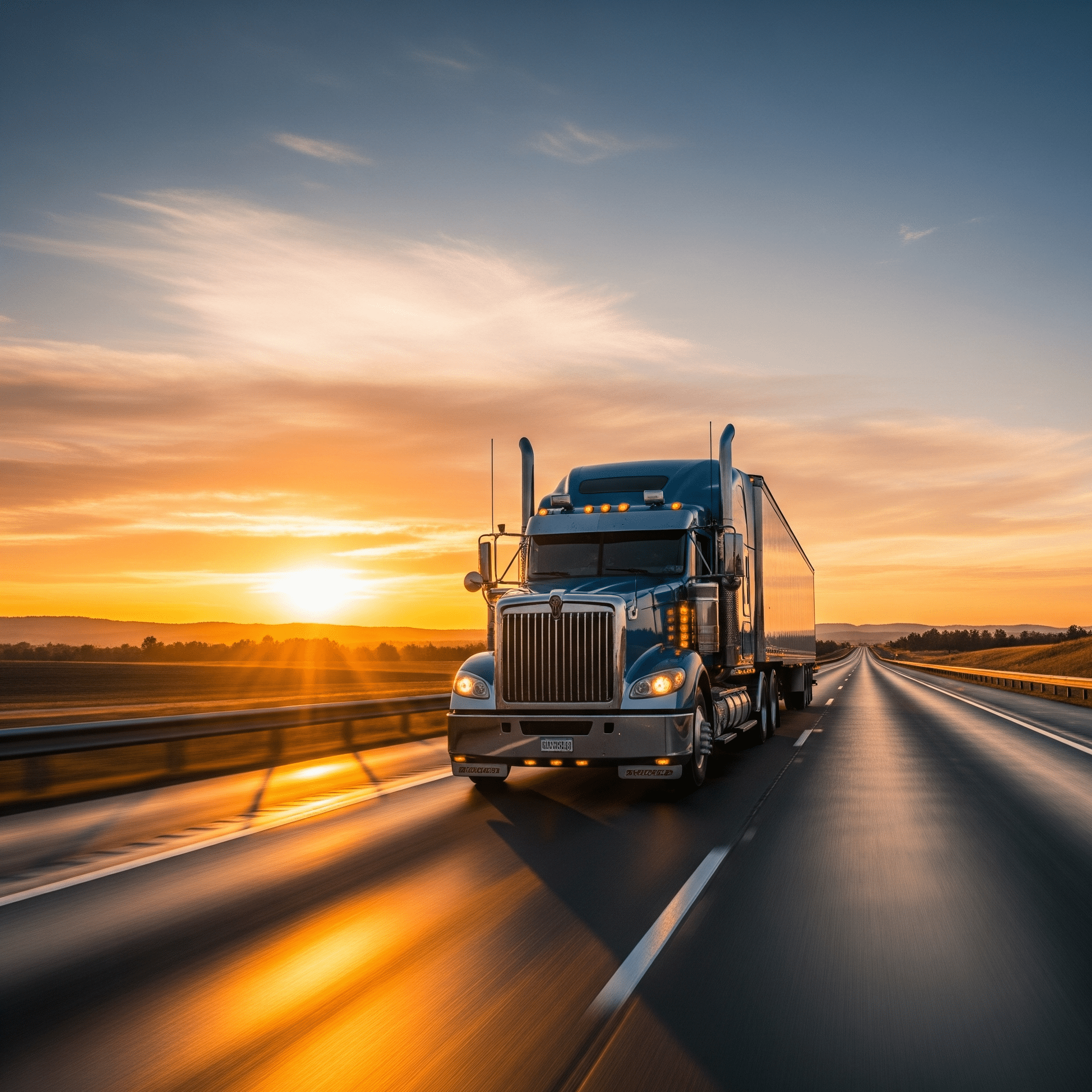
Commercial trucking accidents operate under an entirely different set of physical dynamics and federal regulations than passenger vehicle accidents. Because 18-wheelers can weigh up to 80,000 pounds, collisions involving these massive rigs often result in devastating outcomes.
Understanding the specific mechanics of a commercial truck crash is critical when pursuing legal recourse. Below is a look at the specialized types of 18-wheeler accident claims that frequently arise due to the unique hazards of the trucking industry.
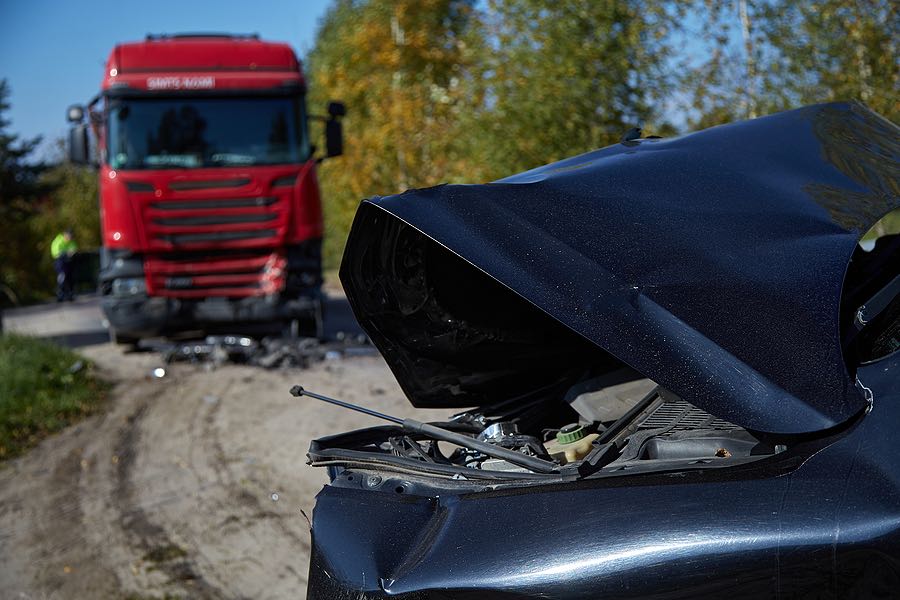
Underride crashes are among the most terrifying and destructive types of collisions on the highway. These occur when a passenger vehicle slides underneath the side or rear of an 18-wheeler trailer.
The Mechanism: Because the standard bumper height of a semi-trailer often aligns directly with the hood, cabin, or windshield of a passenger car, standard safety crumple zones are bypassed entirely.
The Impact: The roof of the passenger vehicle is frequently sheared off upon impact, leading to catastrophic head trauma, traumatic brain injuries (TBIs), neck injuries, and fatalities. Legal claims may investigate whether the trailer was equipped with adequate, compliant rear and side underride guards.
Loss of control by a commercial driver can instantly turn an 18-wheeler into a sweeping barrier across multiple lanes of traffic.
Jackknife Accidents: A jackknife happens when the truck driver brakes too suddenly or loses traction, causing the heavy trailer to swing outward until it forms a sharp angle with the cab (resembling a folding pocket knife). The swinging trailer can sweep across adjacent lanes, striking multiple vehicles with immense force.
Rollover Accidents: Rollovers frequently occur when a truck takes a curve or ramp too fast, overcorrects, or encounters a sudden shift in weight. When a trailer tips over on its side, it can crush neighboring vehicles or spill across the roadway, trapping motorists in its path.
An 18-wheeler is only as safe as the cargo it carries. Federal regulations dictate strict standards for how cargo must be balanced, weighted, and tied down, yet unsecured loads remain a major hazard.
The Mechanism: Improperly secured, overloaded, or shifting cargo can cause a driver to lose control of the rig. Alternatively, freight can break loose and spill directly onto the highway at high speeds.
The Impact: Cargo spills trigger chaotic multi-car pileups, direct strikes on following vehicles, and severe secondary collisions as motorists swerve frantically to avoid heavy debris in the roadway. Liability in these claims may extends beyond the driver to third-party loading facilities and shipping companies.
Commercial trucks have massive blind spots—commonly referred to as “No-Zones”—directly behind the trailer, immediately in front of the cab, and stretching along both the left and right sides.
The Mechanism: Because mirrors cannot cover these vast areas entirely, truckers face extreme limitations in visibility. Side-swipe claims frequently arise when a commercial driver changes lanes or merges without adequately checking for passenger vehicles traveling alongside them.
The Impact: These sudden maneuvers can force smaller vehicles off the road, into concrete barriers, or directly beneath the wheels of the truck itself. Proving fault may involve analyzing driver logs, dashcam footage, and Electronic Logging Device (ELD) data to establish whether the trucker failed to exercise proper caution in checking their blind spots.
Evaluating complex variables—such as corporate negligence, driver fatigue, equipment failure, and specialized accident reconstruction—is essential to building a robust personal injury or wrongful death claim. If you or a loved one has been injured in an 18-wheeler accident, call Caldwell Law Group today for a free, confidential .
Disclaimer: The information provided in this blog post is for general informational purposes only and does not constitute legal advice. Past performance or case outcomes do not guarantee future results. Each legal matter is unique and requires independent evaluation. If you or a loved one has been injured in a commercial vehicle accident, please consult with a qualified attorney licensed in your jurisdiction to discuss the specifics of your case.