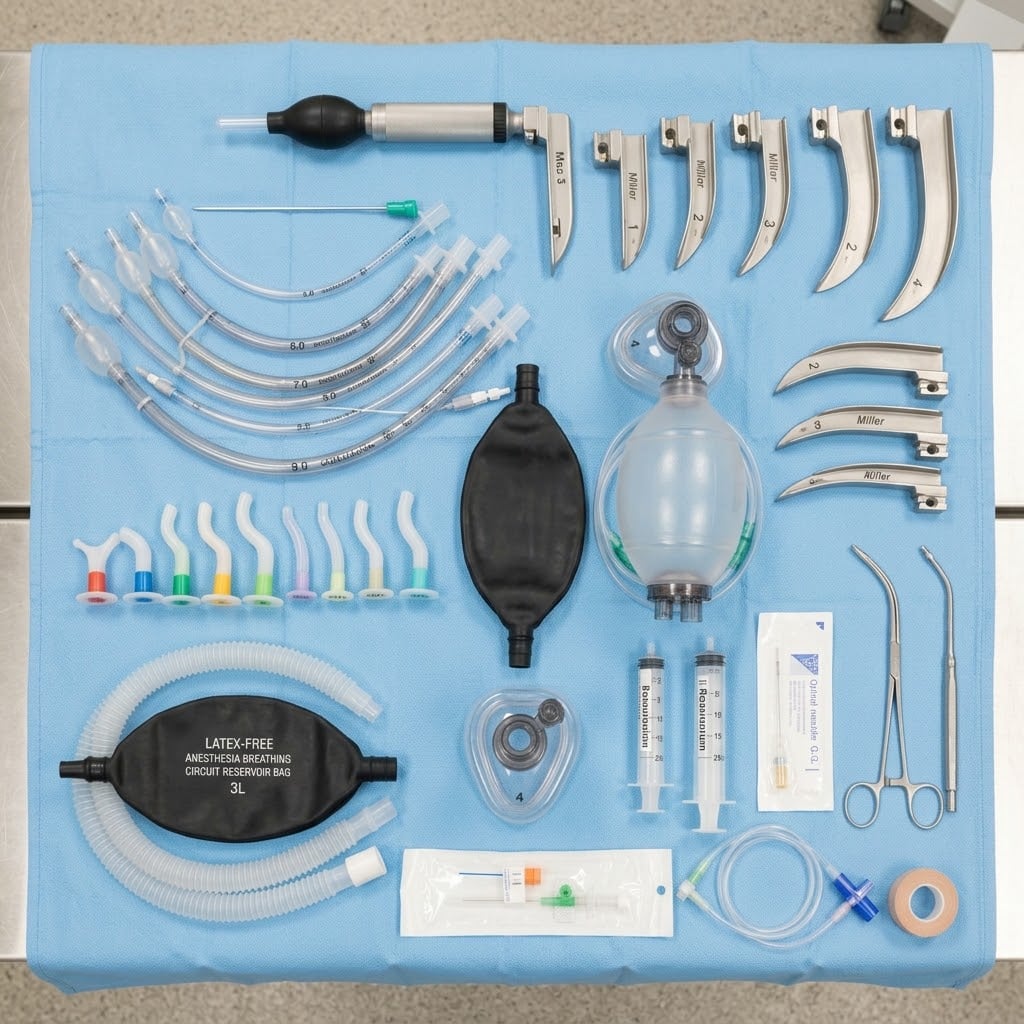
Going into surgery or undergoing a medical procedure is inherently stressful. Patients place immense trust in their surgical team—especially the anesthesiologist or certified registered nurse anesthetist (CRNA) responsible for keeping them pain-free, stable, and alive while unconscious or sedated.
When anesthesia is administered with precision and care, modern surgical medicine saves lives. However, when an anesthesia provider fails to adhere to accepted medical standards, the consequences can be catastrophic. Brain damage, stroke, cardiovascular collapse, nerve damage, or wrongful death can occur in a matter of seconds.
Understanding how improper use or misuse of anesthesia constitutes medical malpractice—and knowing how medical negligence claims work under Idaho and Washington state laws—can help injured patients and their families determine their legal options.
What Is Anesthesia Malpractice?
Not every unfavorable surgical outcome constitutes medical malpractice. In both Idaho and Washington, medical malpractice occurs when:
-
A healthcare provider owed the patient a professional duty of care;
-
The provider breached the applicable standard of care through an act or omission (negligence); and
-
That breach directly caused the patient’s injuries, resulting in measurable legal damages.
Anesthesia malpractice specifically refers to preventable errors made before, during, or immediately following the administration of general anesthesia, regional nerve blocks, spinal/epidural anesthesia, or monitored sedation (twilight sleep).
Common Causes of Anesthesia Negligence
Anesthesia errors rarely happen in a vacuum; they often stem from inadequate preparation, miscommunication, fatigue, or inattention. Common grounds for anesthesia-related malpractice claims include:
1. Inadequate Pre-Operative Assessment
Before administering anesthesia, the provider must conduct a thorough pre-operative evaluation. Negligence may occur if the provider fails to:
-
Review the patient’s complete medical history, including previous adverse reactions to anesthesia.
-
Screen for dangerous drug interactions, prescription medications, or herbal supplements.
-
Identify allergies (such as latex or specific anesthetic agents).
-
Evaluate risk factors like sleep apnea, cardiovascular disease, obesity, or difficult airways.
-
Confirm that the patient followed pre-op fasting protocols (NPO guidelines) to prevent pulmonary aspiration.
2. Dosing and Medication Errors
Administering the wrong drug or incorrect dosage can be fatal:
-
Overdose: Can suppress the central nervous system, lead to respiratory arrest, severe hypotension, or prolonged coma.
-
Underdose (Anesthesia Awareness): If paralyzing agents (paralytics) are given without sufficient anesthetic/sedative, a patient may wake up paralyzed during surgery, experiencing excruciating pain and severe psychological trauma (PTSD) while unable to move or speak.
-
Syringe Swaps: Administering the incorrect medication due to mislabeled or unverified vials/syringes.
3. Intubation and Airway Management Failures
Securing and maintaining an open airway is a foundational duty of anesthesia care. Errors include:
-
Esophageal intubation (inserting the breathing tube into the esophagus rather than the trachea) without prompt recognition.
-
Traumatic or delayed intubation causing vocal cord damage, tracheal tear, or extended hypoxia (oxygen deprivation).
-
Failing to have emergency airway equipment ready when encountering an anticipated difficult airway.
4. Failure to Monitor Vital Signs
During a procedure, the patient’s vital functions must be continuously monitored. Providers must diligently track:
-
Oxygen saturation ($SpO_2$) and end-tidal $CO_2$ (capnography)
-
Heart rate, rhythm (EKG), and blood pressure
-
Temperature and depth of sedation
Failing to notice—or improperly responding to—alarms indicating dropping oxygen levels or blood pressure spikes can cause irreversible brain damage within minutes.
5. Post-Operative and Recovery (PACU) Negligence
The anesthesia provider’s duty extends to the Post-Anesthesia Care Unit (PACU). Premature extubation, failing to monitor for respiratory depression caused by lingering narcotics, or discharging a patient before recovery criteria are met can lead to post-surgical emergencies.
Serious Injuries Associated with Anesthesia Errors
Because anesthetic agents directly impact the brain, heart, and respiratory systems, errors often result in permanent, life-altering injuries, including:
-
Anoxic / Hypoxic Brain Injury: Prolonged loss of oxygen leading to cognitive impairment, loss of motor function, or permanent coma.
-
Cardiac Arrest & Stroke: Precipitated by uncorrected hemodynamic instability or lack of oxygen.
-
Nerve Damage & Paralysis: Improper placement of spinal/epidural needles, direct nerve trauma, or improper patient positioning causing compressed peripheral nerves.
-
Aspiration Pneumonitis: Inhalation of stomach contents into the lungs during induction or emergence.
-
Malignant Hyperthermia Complications: Failure to recognize and immediately treat this rare, life-threatening genetic reaction to certain anesthetic drugs.
-
Wrongful Death: Fatal complications resulting from preventable perioperative events.
What to Do If You Suspect Anesthesia Negligence
Medical malpractice laws vary significantly across state lines. If an injury occurred in Idaho or Washington, claims are governed by specific statutory frameworks and procedural requirements. If you or a family member suffered unexpected complications following surgery:
-
Request Complete Medical Records: Secure all surgical records, pre-op assessments, anesthesia flow sheets, nursing notes, and PACU monitoring logs immediately.
-
Document the Timeline: Keep a detailed journal of symptoms, follow-up medical visits, diagnoses, and rehabilitation efforts.
-
Consult Experienced Legal Counsel: Anesthesia malpractice cases require thorough analysis by qualified medical and legal experts to determine whether standard-of-care breaches occurred.
Contact Our Legal Team for a Confidential Case Review
Investigating an anesthesia malpractice claim requires deep technical knowledge and substantial resources. If you or a loved one suffered harm due to a suspected anesthesia error in Idaho or Washington, our dedicated personal injury and medical malpractice attorneys are here to evaluate your case, answer your questions, and guide you through your legal options.
Contact our office today to schedule a free, confidential consultation.
Legal Disclaimers & Ethics Notice
-
Informational Purposes Only: The information provided in this blog post is for educational and general informational purposes only. It does not constitute formal legal advice, medical advice, or the formation of an attorney-client relationship.
-
No Attorney-Client Relationship: Contacting our firm via website form, email, or telephone does not establish an attorney-client relationship. An attorney-client relationship is formed only after a written representation agreement is signed by both the client and our firm.
-
No Guarantee of Results: Past case results, settlements, or verdicts described anywhere on this site do not guarantee, warranty, or predict a similar outcome in any future case. Every case is unique and depends on its specific facts and applicable law.
-
Jurisdictional Notice: Attorney Chris Caldwell is licensed to practice law in the states of Idaho and Washington. We do not seek to represent individuals in jurisdictions where this communication does not comply with applicable local laws and ethical rules.