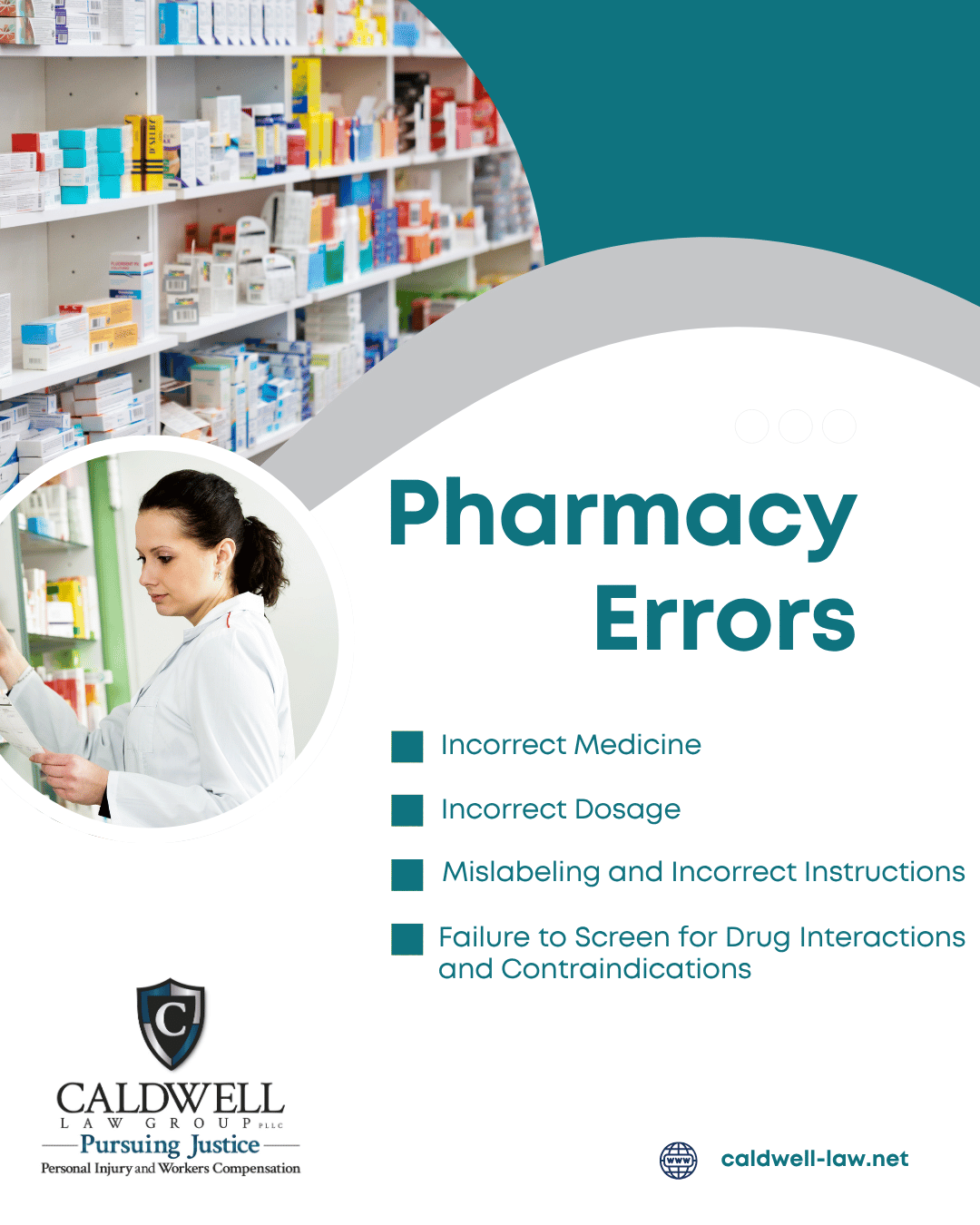
When you pick up a prescription, you place immense trust in your pharmacy. Pharmacists undergo years of doctoral-level education and clinical training to serve as the critical final safety checkpoint between a physician’s prescription pad and your medicine cabinet.
Yet when retail pharmacy chains cut staffing, increase daily fill quotas, and rush verification processes, catastrophic errors happen. If a pharmacy gives you the wrong drug, the wrong dose, or incorrect instructions, the resulting injuries aren’t merely an administrative mix-up—they may constitute pharmacy medical malpractice.
Common Pharmacy Dispensing Errors That Lead to Malpractice Claims
Pharmacy malpractice claims typically stem from systemic failures during data entry, pill dispensing, or patient counseling:
1. Dispensing the Wrong Medication
A pharmacist dispenses an entirely different drug than the one ordered by your doctor. This frequently occurs due to:
-
Look-Alike / Sound-Alike Drugs (SALAD): Confusing medications with similar brand or generic names (e.g., dispensing hydralazine for blood pressure instead of hydroxyzine for severe anxiety/allergic reactions, or mixing up Lamictal and Lamisil).
-
Shelf Stock Bottle Mix-Ups: Grabbing the wrong stock bottle off the shelf due to uniform manufacturer packaging and pouring the wrong medication into your prescription vial.
2. Incorrect Dosage, Strength, or Formulation
Even when the correct drug is identified, dispensing the wrong potency can cause acute toxicity or medical emergencies:
-
Decimal & Unit Entry Errors: A single misplaced decimal point turns a standard 1.0 mg dose into a ten-fold overdose of 10 mg.
-
Pediatric Calculation Errors: Failing to double-check weight-based dosing (mg/kg) for infants and young children, whose developing systems cannot tolerate adult formulations.
-
Formulation Mismatches: Dispensing immediate-release tablets instead of extended-release formulations, which can deliver a dangerous bolus dose into the bloodstream all at once.
3. Mislabeling and Erroneous Instructions (“Sig” Errors)
The medication inside the vial may be correct, but the printed label directs the patient to take it unsafely:
-
Dangerous Frequency Directives: Labeling a weekly medication to be taken daily (such as low-dose methotrexate, where daily administration rapidly triggers bone marrow suppression and organ failure).
-
Incorrect Administration Route: Instructing a patient to ingest oral solutions or drops via the eyes or ears.
-
Bag Mix-Ups: Affixing another patient’s label to your medication bag, causing you to ingest an entirely foreign pharmaceutical regimen.
4. Overriding Warnings for Drug Interactions and Allergies
Pharmacy computer systems flag severe contraindications with automated warnings. When pharmacists experience “alert fatigue” and override these alerts without contacting the prescriber or investigating, liability arises:
-
Severe Drug Interactions: Concurrently dispensing medications that trigger serotonin syndrome, life-threatening arrhythmias, or severe hemorrhaging (such as unsafe combinations with blood thinners like warfarin).
-
Documented Allergies: Dispensing a medication or related drug class (e.g., amoxicillin) when the patient has a documented allergy (such as penicillin anaphylaxis) recorded in the pharmacy profile.
5. Compounding and Preparation Contamination
Custom compounding pharmacies must adhere to strict sterile preparation guidelines. Introducing bacteria, particulate matter, or incorrect ratios of active pharmaceutical ingredients can result in severe systemic infections, tissue necrosis, or loss of vision.
Proving Liability in a Pharmacy Malpractice Lawsuit
Holding a pharmacy, pharmacist, or retail corporate chain legally accountable requires proving four key legal elements: duty of care, breach of that duty, causation, and compensable damages. As the laws between Idaho and Washington State vary, individual evaluation of the facts of a case by a licensed attorney is critical.
Immediate Verification Steps If You Suspect a Medication Error
If you or a family member suspect you received an incorrect prescription, take the following steps immediately to protect your health and legal rights:
-
Seek Emergency Medical Attention: Call 911 or visit the nearest emergency room immediately if experiencing adverse symptoms, heart palpitations, dizziness, or shortness of breath. Inform medical providers of what you ingested.
-
Preserve the Physical Evidence: Do not discard the bottle, the remaining pills, the box, or the paperwork.Keep the prescription vial, printed pharmacy leaflets, and cash register receipt stored safely as primary evidence.
-
Photograph Everything: Take clear, high-resolution photos of the prescription label, the markings on the pills, and the pharmacy receipt.
-
Request Your Complete Pharmacy Records: Request a copy of your patient profile, dispensing logs, and verification history from the pharmacy before internal records are updated or archived.
-
Consult an Experienced Medical Malpractice Attorney: Pharmacy negligence cases involve complex pharmaceutical evidence, chain-of-custody protocols, and professional standard-of-care testimony from expert pharmacists.
If you or a loved one has suffered an injury due to a pharmacy’s errors, call Caldwell Law Group today for a free, confidential consultation with a personal injury attorney.
Disclaimer: This blog post provides general educational information and is not formal legal advice. If you have suffered an injury due to an alleged prescription error, contact a licensed personal injury or medical malpractice attorney in your jurisdiction to evaluate your specific case.