When a medical condition is misdiagnosed or diagnosed too late, the physical, emotional, and financial consequences can be severe. Receiving improper treatment—or missing the window for timely intervention—often allows treatable conditions to worsen into life-altering injuries.
In both Idaho and Washington, medical malpractice claims involving diagnostic errors are governed by distinct statutory standards and strict procedural requirements.
Common Forms of Diagnostic Errors
Diagnostic negligence rarely happens in a vacuum; it typically involves a breakdown in the clinical evaluation process. Common examples include:
-
Failure to Diagnose: A healthcare provider fails to recognize symptoms of an underlying illness, leading to no treatment or investigation.
-
Delayed Diagnosis: An accurate diagnosis is eventually reached, but the delay allows an illness (such as cancer, cardiac distress, or stroke) to progress significantly.
-
Incorrect Diagnosis (Misdiagnosis): A patient is diagnosed with the wrong illness and subjected to unnecessary, potentially harmful treatments while the real condition remains unaddressed.
-
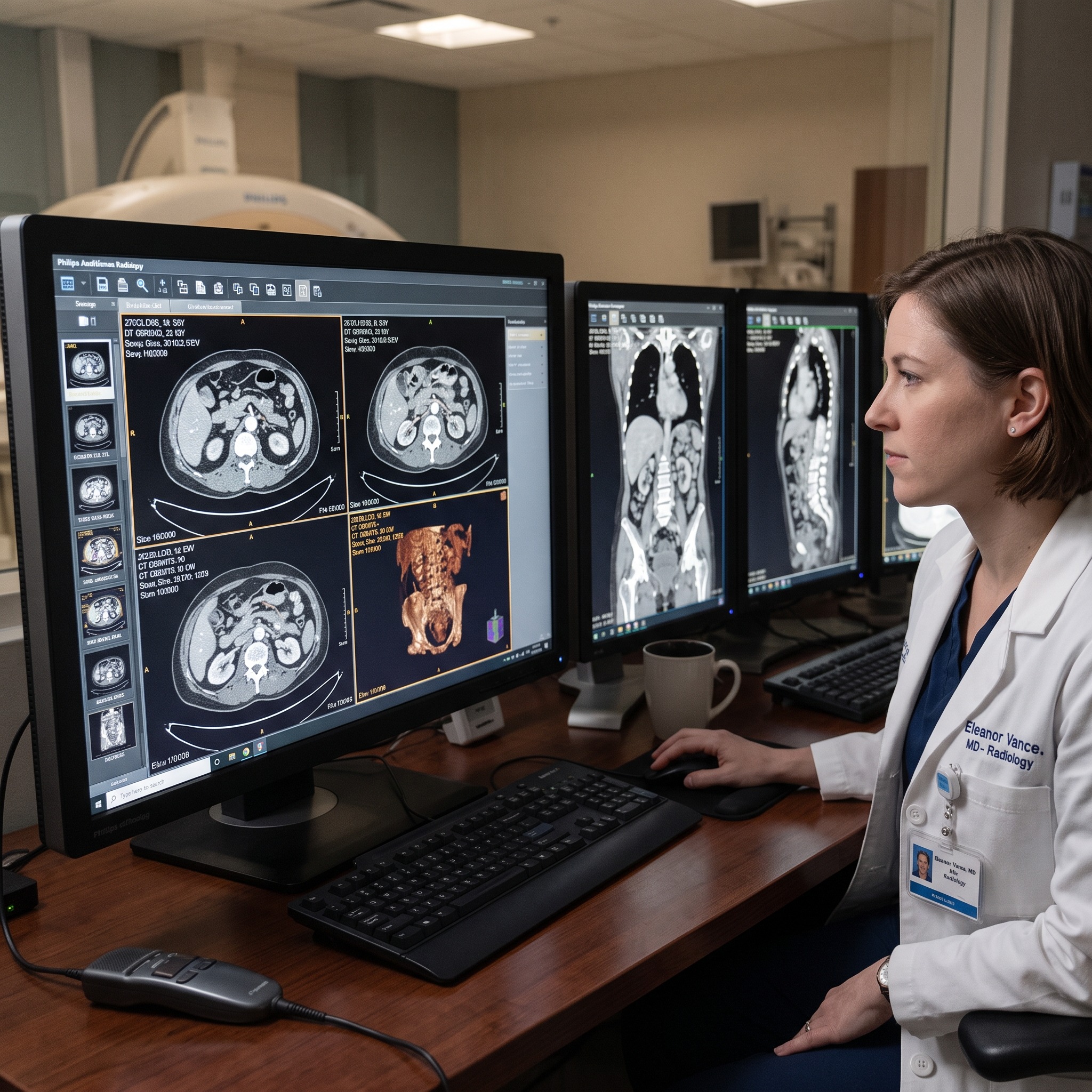
Failure to Order or Interpret Tests: Misreading radiological imaging (X-rays, MRIs, CT scans), overlooking abnormal laboratory values, or failing to order standard diagnostic tests given the patient’s symptoms.
-
Inadequate Differential Diagnosis: Failing to follow the standard process of listing and systematically ruling out potential life-threatening conditions before settling on a benign conclusion.
Establishing Negligence: Idaho vs. Washington Standards
To bring a legally actionable medical malpractice claim for a diagnostic error, a patient must prove that a healthcare provider breached the governing standard of care and directly caused measurable damages. However, the legal standard differs substantially between Idaho and Washington.
Proving Causation in Misdiagnosis Cases
A diagnostic mistake does not automatically constitute compensable malpractice. The critical legal hurdle is proximate causation—proving that the provider’s delay or error directly caused injury that would not have occurred with timely, competent care.
-
Progression of Disease: Establishing that a delay allowed a condition (such as an infection or tumor) to advance to an inoperable or more dangerous stage.
-
Harmful Interventions: Proving that the patient suffered complications, toxicities, or surgical risks from medications or procedures prescribed for a condition they never had.
-
Loss of Chance: Demonstrating that the delay substantially reduced the patient’s likelihood of recovery or survival.
Important Deadlines (Statutes of Limitations)
Strict filing deadlines apply to diagnostic error claims in both jurisdictions:
-
Idaho: Generally two years from the date of the alleged act or omission (Idaho Code § 5-219), subject to narrow exceptions (such as foreign objects or fraudulent concealment). Every legal case involves unique facts that could affect the statute of limitations, so consult with an attorney to help determine it.
-
Washington: Generally three years from the date of the act or omission, or one year from the date the injury was discovered (or reasonably should have been discovered), subject to an ultimate eight-year statute of repose (RCW 4.16.350). Every legal case involves unique facts that could affect the statute of limitations, so consult with an attorney to help determine it.
Because analyzing medical records and securing qualified expert review takes significant time, consulting legal counsel promptly helps ensure rights are preserved under applicable state law. If you or a loved one has suffered due to a diagnostic error, call Caldwell Law Group today for a free, confidential consultation with an attorney.
Disclaimer: This article is provided for general educational and informational purposes only and does not constitute legal or medical advice. Reading this post does not establish an attorney-client relationship. Every legal case involves unique facts, and outcomes depend entirely on specific evidence and applicable law.